
The Warden of Machias Seal Island: A Lighthouse Keeper's View of Birds in a Disputed Land

During the spring of 2011, Canadian lighthouse keeper Ralph Eldridge caused raised eyebrows around New England. Some might say he was responsible for dropped jaws. Lucky to be positioned in the right place at the right time, that exact spot where all birders want to be, he was able to witness a major warbler migration fallout on Machias Seal Island. During a spring storm, hundreds of birds dove desperately for the jumble ofrocks off the coast of Jonesport, Maine.
Louisbourg Lighthouse - Canada's First

Until well into the 18th century the seacoast of North America was a largely uncharted and dangerous prospect for mariners. From the rocky shores of eastern Canada and New England to the shoals of the Carolinas and reefs of the Florida Keys mariners were faced with constant danger. In 1716, the Massachusetts Bay Colony erected a lighthouse on Little Brewster Island in Boston Harbor, North America's first lighthouse. The second lighthouse to be established was at Louisbourg, on Nova Scotia's Cape Breton Island.
- Read more about Louisbourg Lighthouse - Canada's First
- Log in to post comments
Living in Nova Scotia's Henry Island Lighthouse

As a boy growing up in Cleveland, Ohio, I had only a portion of the Great Lakes to provide a sample of the far more vast waters that cover two thirds of the planet. It was reading about the sea, about seamen and ships and the legends that made their lives sparkle which first captivated me. My attention turned to lighthouses as well when I learned that one of the Seven Ancient Wonders of the World was a lighthouse, a 40-story marvel known as the Pharos of Alexandria, construction of which began in 290 B.C.
The Nice Things about Light-Keeping: Sid Smith of Cape Sable Lighthouse, Nova Scotia
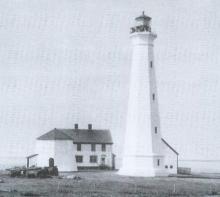
In 1993, Nova Scotia said goodbye to its last lighthouse keepers. It ended a long and venerable tradition, begun in 1734 when a light fed by sperm oil shone out over the French fortress of Louisbourg. For more than two-and-a-half centuries families tended Nova Scotia's wind and sea-battered lighthouses, but the final three decades of staffed lighthouses were marked by radical changes. Automated equipment replaced the eyes, ears and toil of the lightkeeper and his family.